Australia has never been short of builders. It stopped making them.
In 1948 a Sydney engineer predicted the internet. In 1949 he helped build the fifth computer on Earth. In 1955 his employer decided computing was not its department.6 7 That pattern has repeated for seventy years: early to the frontier, we train the person who builds the industry, and the industry is built somewhere else.
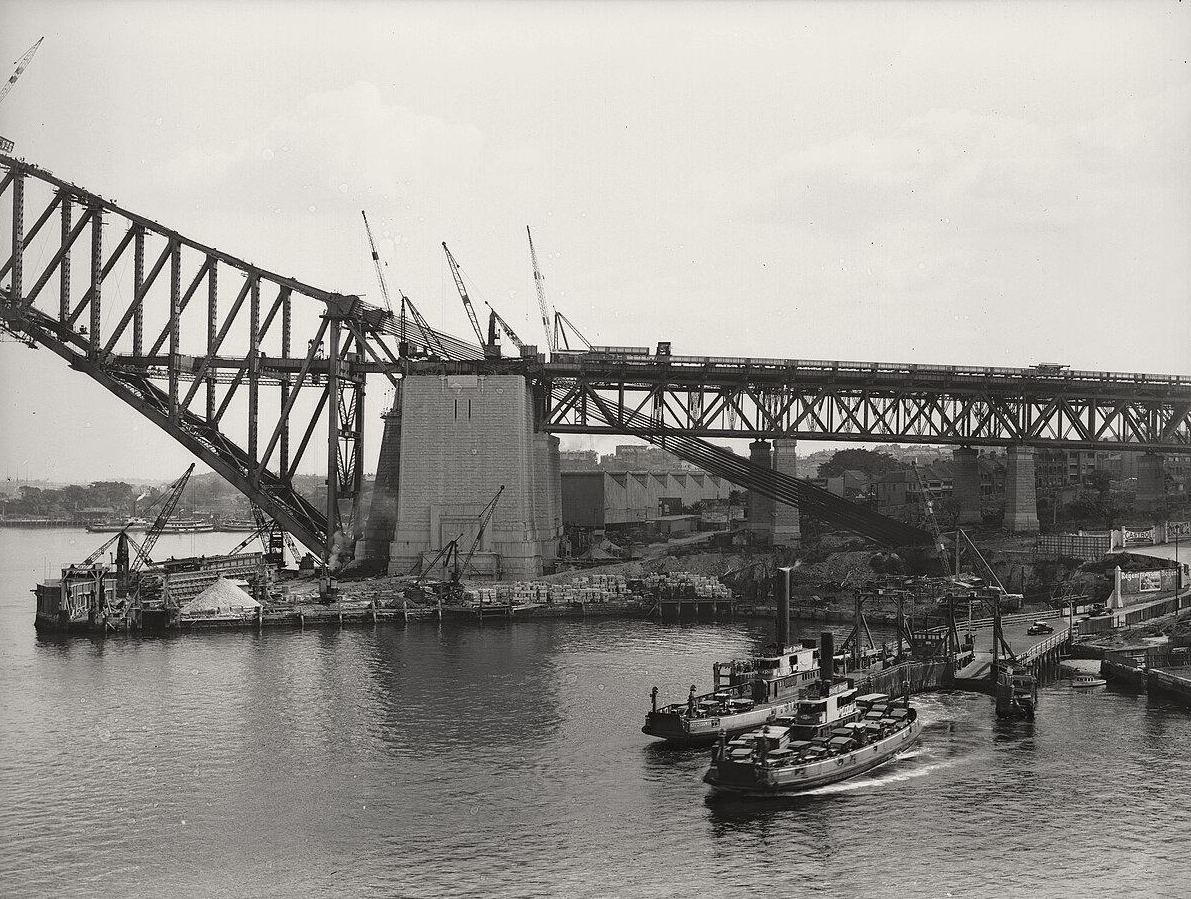
You can tell what a country values by the advice it gives its brightest 18‑year‑olds. Australia’s fits in one sentence.
Do medicine if you can stand the blood, law if you can’t, and commerce if you want the money.
There is no sentence that ends in something made. Nobody says go and learn how a launch vehicle is assembled, or how a counter‑drone system is tuned in the field, or how a grid is rebuilt. There is no path for that, so there are no words for it. The paths all end at a desk where someone is paid a percentage of a thing someone else built.
Follow the sentence to its conclusion. Each year more than 15,000 people graduate from one of our 40 law schools, into a profession that admitted roughly 5,500 of them across three recent years. One commercial firm reports around 500 applications for four or five graduate positions.2 The most applied‑to graduate employers in the country are EY, KPMG, Capgemini and Deloitte; seven of the top ten are consultancies.3 Their largest client is the Commonwealth, which in 2021–22 spent $20.8 billion on consultants, contractors and labour hire, a shadow workforce 37 per cent larger than the public service it shadows.4
None of these people are stupid. The system did precisely what it was designed to do with them. The question is who designed it, and for what.
Early to everything, present at nothing
From the 1850s gold rush to the 1890s, Australians had the highest income per head on Earth, 25 to 30 per cent above the United States.8 We did not get there by advising. Our history has three acts.
Every industry started in a shed, 1885–1967
A farm boy and a harvester
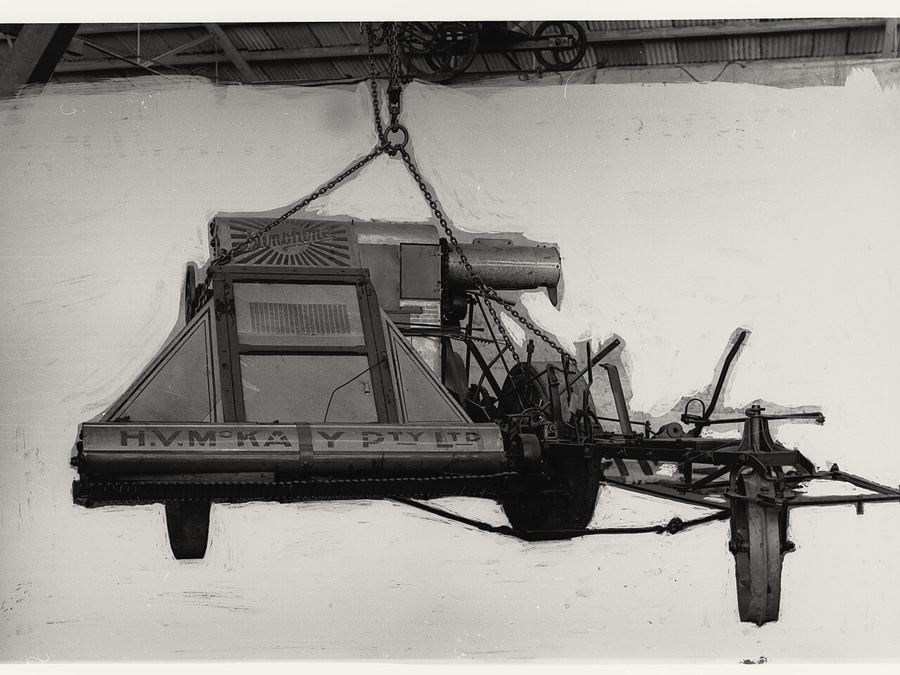
Hugh Victor McKay was taken out of school at 13 to work the family selection. At 19 he, his father and his brother assembled a stripper‑harvester in a shed. By 1926 the Sunshine Harvester Works covered 30 acres, employed 2,500 people, was the largest factory in Australia, and shipped machines to Argentina and South Africa.9
In 1907 Justice Higgins walked through that factory, called it “a marvel of enterprise, energy and pluck”, and used it to set the basic wage for the nation.9 Federation Australia defined a fair life by what a builder could earn. The country’s founding economic document was written inside a factory.
The state as builder
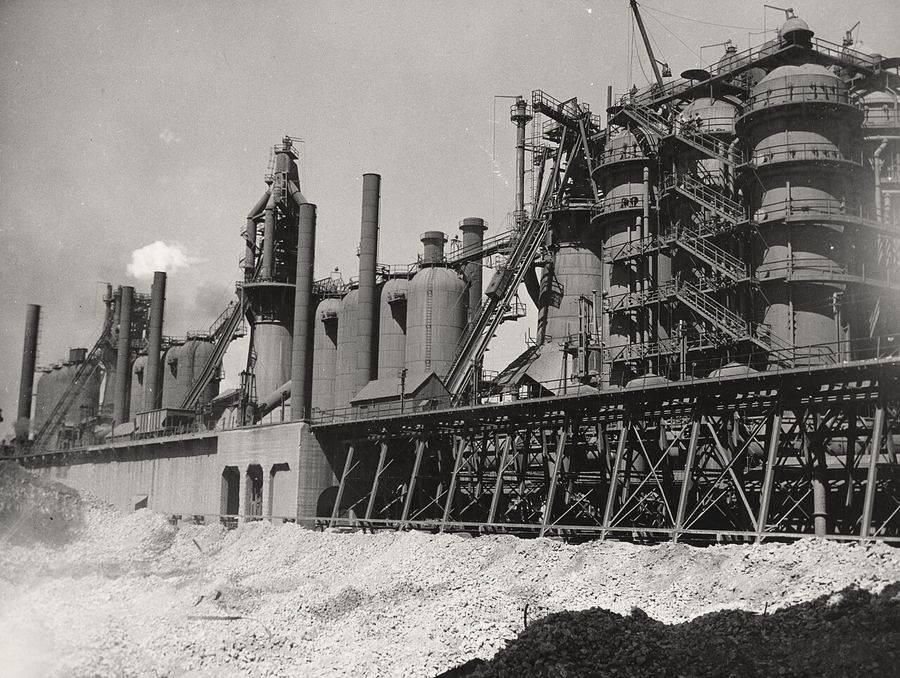
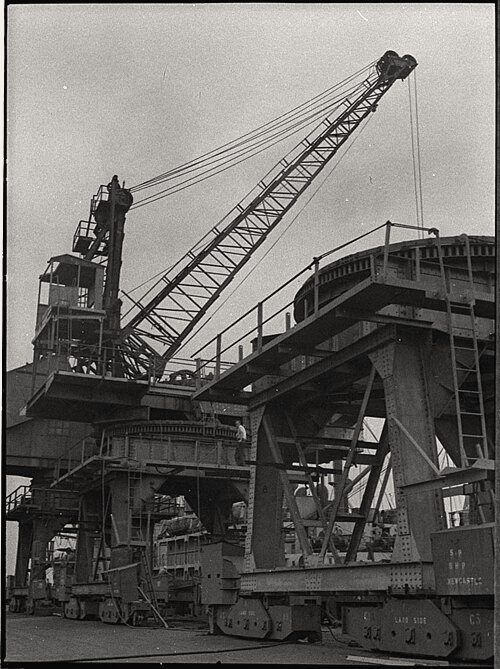
BHP opened the Newcastle steelworks in 1915; at its peak it employed 11,000 people.10 In 1916 the Commonwealth founded its own serum laboratory so that Australians would never again depend on imported medicine.11 Hold that second one in mind. It becomes the most important counter‑example in this story.
“Am I not Australian?”
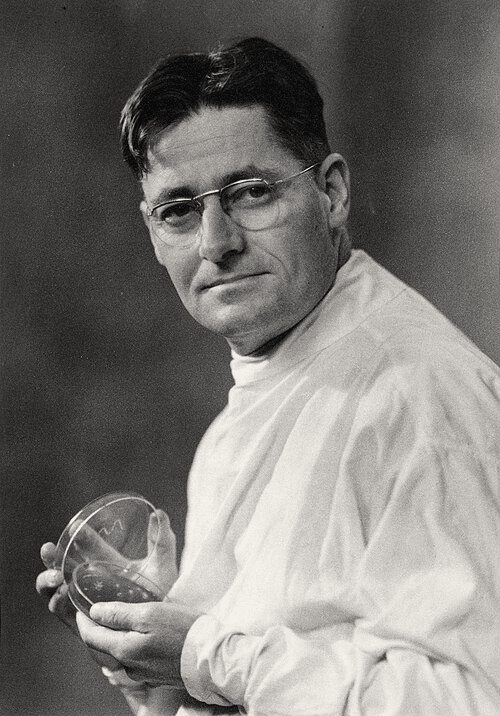
Howard Florey, born in Adelaide, left on a Rhodes Scholarship in 1921 and at Oxford turned penicillin from a curiosity into a medicine. In 1941 he flew to America to get it mass‑produced, because Britain at war could not. When Australia decided it needed to make penicillin too, the government sought advice from the Americans rather than from him. His reply to the officer in charge: “Am I not Australian?”5
Menzies later called him “the most important man ever born in Australia”. We trained him, lost him, and then didn’t ask him how to build the thing he had made.
The man who predicted the internet, and the department that didn’t want it
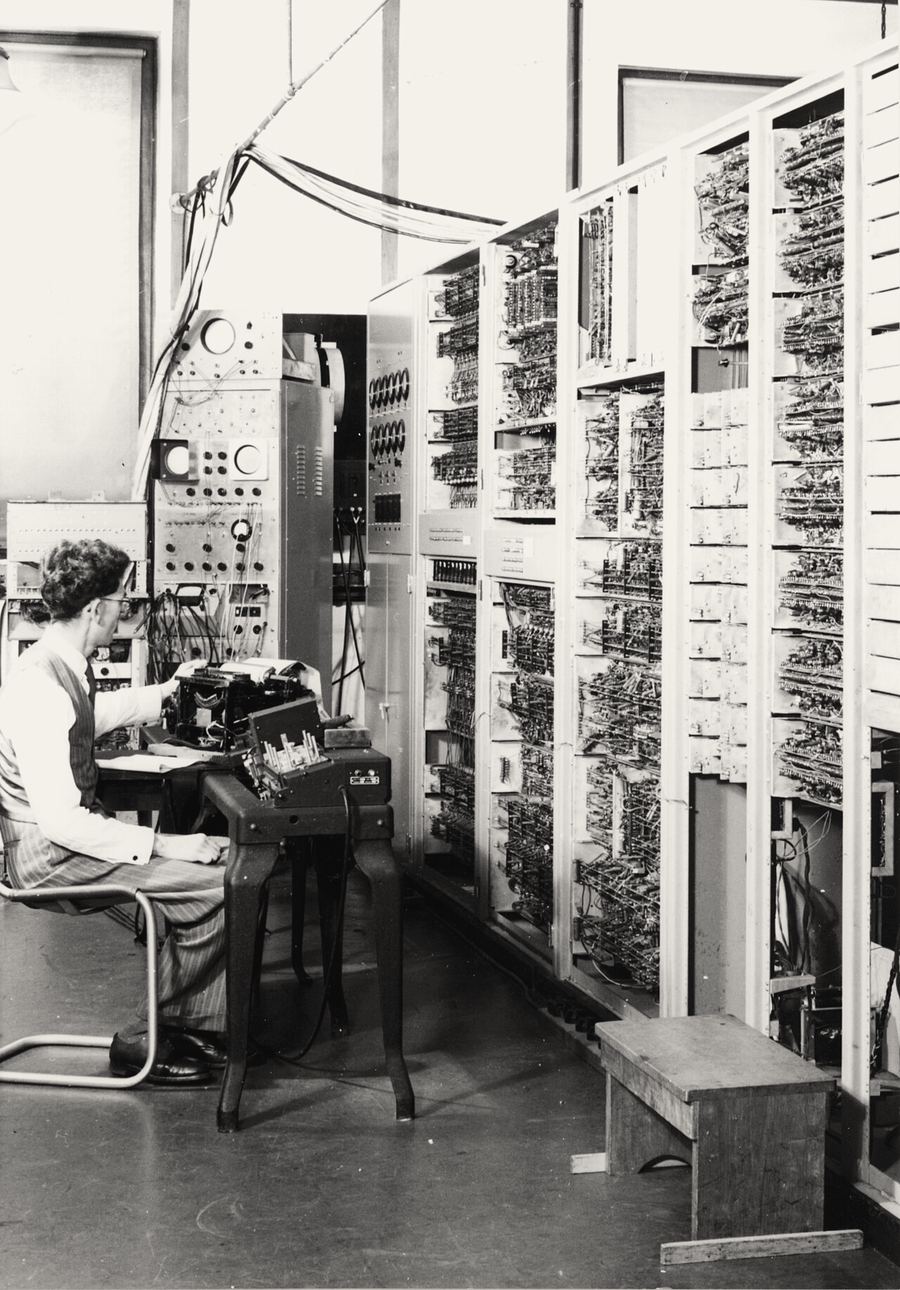
In February 1948 Trevor Pearcey published a paper suggesting that “an automatic encyclopaedic service operated through the national teleprinter or telephone system will one day exist”.6 Twenty‑one months later, in November 1949, the machine he designed with Maston Beard ran its first program. It was the fifth stored‑program computer in the world. In 1950 it became the first anywhere to play music.7
In 1955 CSIRO decided computing was outside its purview. Pearcey blamed the organisation’s “traditional link with primary industry”. The machine was crated to Melbourne and switched off for good in 1964. Pearcey took leave to work in England, and later for Control Data in Minneapolis.7 12 Australia had one of the first five computers on the planet and the person who had foreseen what they were for. It decided they were somebody else’s department.
What a build does to a country
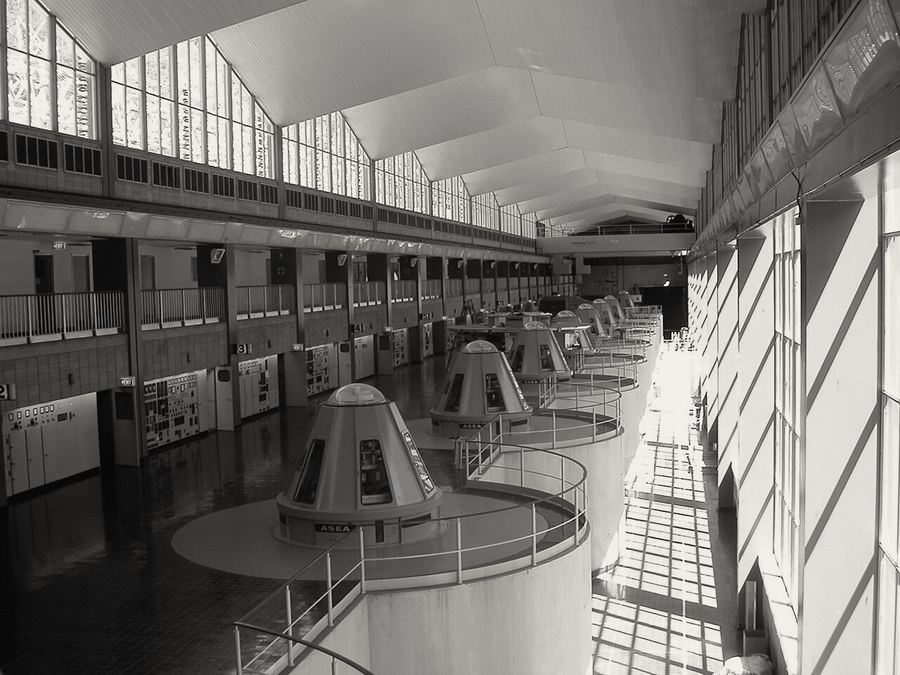
About 100,000 people built the Snowy Mountains Scheme over 25 years. Two‑thirds were migrants, from more than 30 countries.13 Almost none arrived qualified in hydro‑electric construction. They learned at the face, from the person one step ahead of them. The Scheme produced an engineering workforce and a national engineering firm that still exports.
Note the order of events. Capability came from the build. The build did not wait for the capability.
“More expletives than explanations”
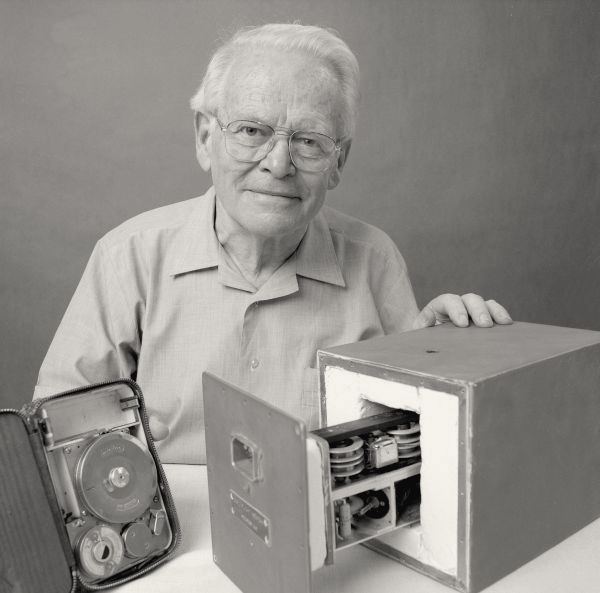
David Warren, a fuels chemist, sat in a meeting to work out why the Comet jets were falling out of the sky and had an idea: record the cockpit. He built it. The RAAF replied that it would yield “more expletives than explanations”. The Defence Department declined to patent it, judging A£2,000 hard to justify. In 1958 a visiting British official saw the prototype, and the first flight recorders were manufactured in the United Kingdom. In 1965 the United States mandated them in every airliner. The Department of Defence was eventually paid UK£1,000 for the background IP.14
Every airliner on Earth carries an Australian invention. Not one was built here.
Third nation to launch from its own soil
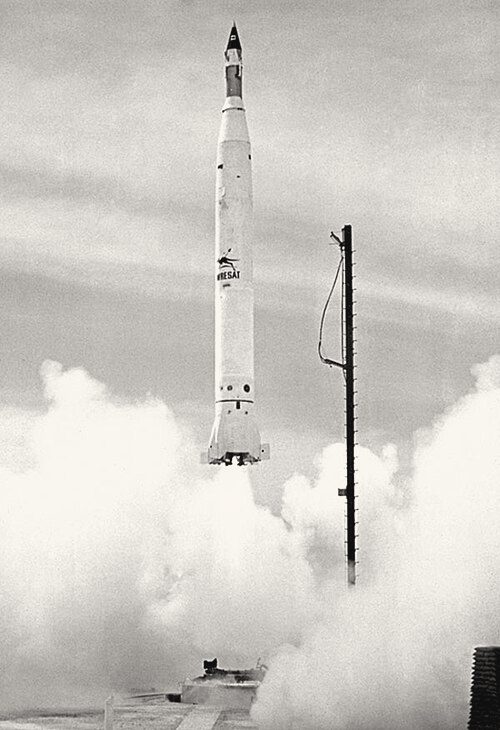
WRESAT, built by the Weapons Research Establishment with the University of Adelaide, reached orbit from Woomera. Australia became the seventh nation with a satellite and only the third, after the Soviet Union and the United States, to launch one from its own territory.15 The next orbital launch attempt from Australian soil came in 2025, 58 years later, from a private company in Bowen.16
Act I ends here. For eighty years, when Australia wanted something, it built it, and the builders came out of the building.
The lecture theatre, 1974–2017
The university becomes a volume business
Whitlam abolished fees in 1974. In July 1988 John Dawkins erased the line between universities and the colleges of advanced education, merged 63 institutions into 36, and introduced HECS to pay for a system that could “produce a dramatically higher number of skilled graduates”. Enrolments went from about 400,000 in 1989 to over 1.3 million by 2013.17
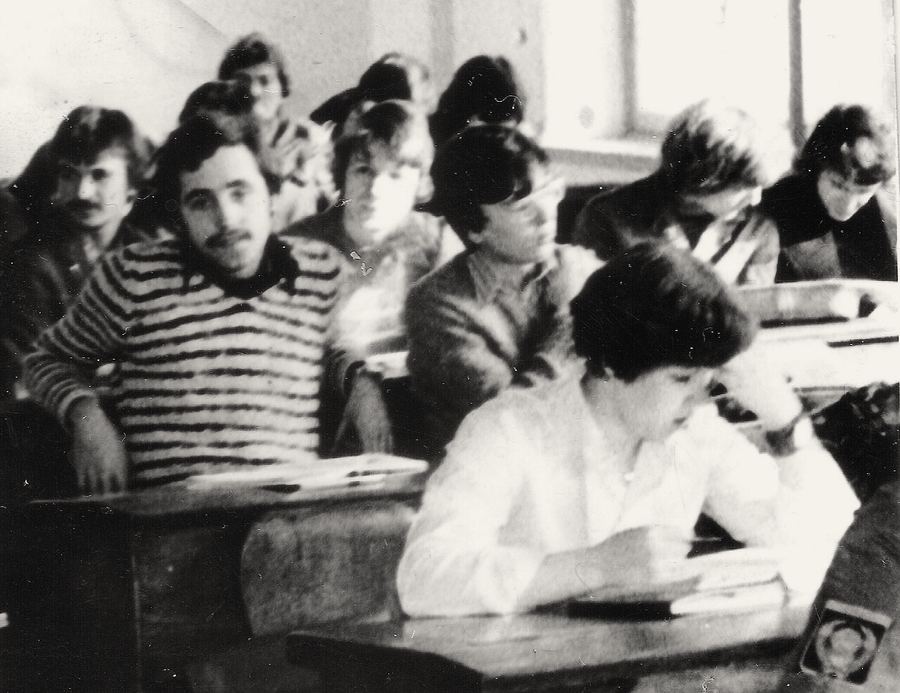
Volume has a logic. The cheapest degree to deliver at scale is the one taught in a lecture theatre: commerce, law, management. No lab, no workshop, no proximity to a factory. These became the product. Management and commerce is now the largest field of commencing study in the country.18 Only 8.5 per cent of graduates hold an engineering qualification, the sixth lowest share in the OECD, and 62 per cent of the engineers we do have were born overseas.19
The cell in nine of every ten solar panels
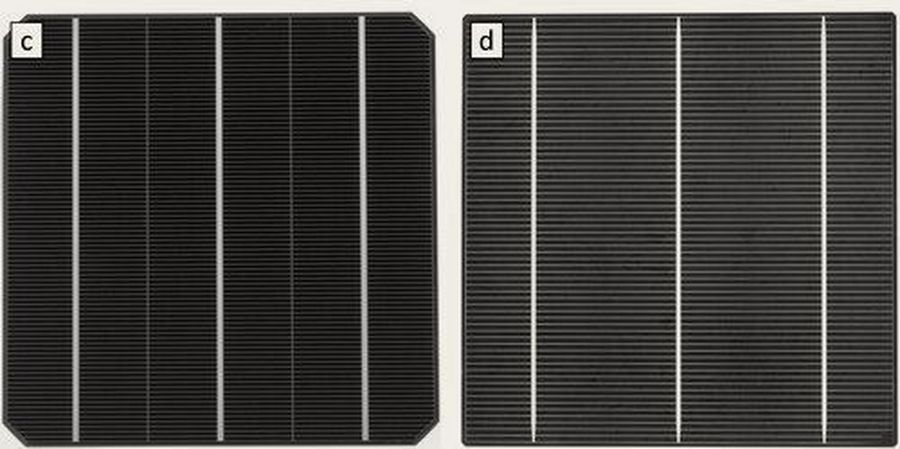
Martin Green’s group at UNSW invented the PERC cell in 1983 and held the world efficiency record for 31 years. By 2021 PERC was inside 91.2 per cent of the world’s silicon solar modules.20 Green’s PhD student Shi Zhengrong went home to China in 2001 and founded Suntech, with the Wuxi city government taking a 25 per cent stake. After its 2005 New York listing he was the richest man in China.21
Read that sequence slowly. The research was ours. The student was ours; he became an Australian citizen. A Chinese municipal government did what no Australian institution would, and took equity in the factory.
“No longer content to be just the lucky country, Australia must become the clever country.”
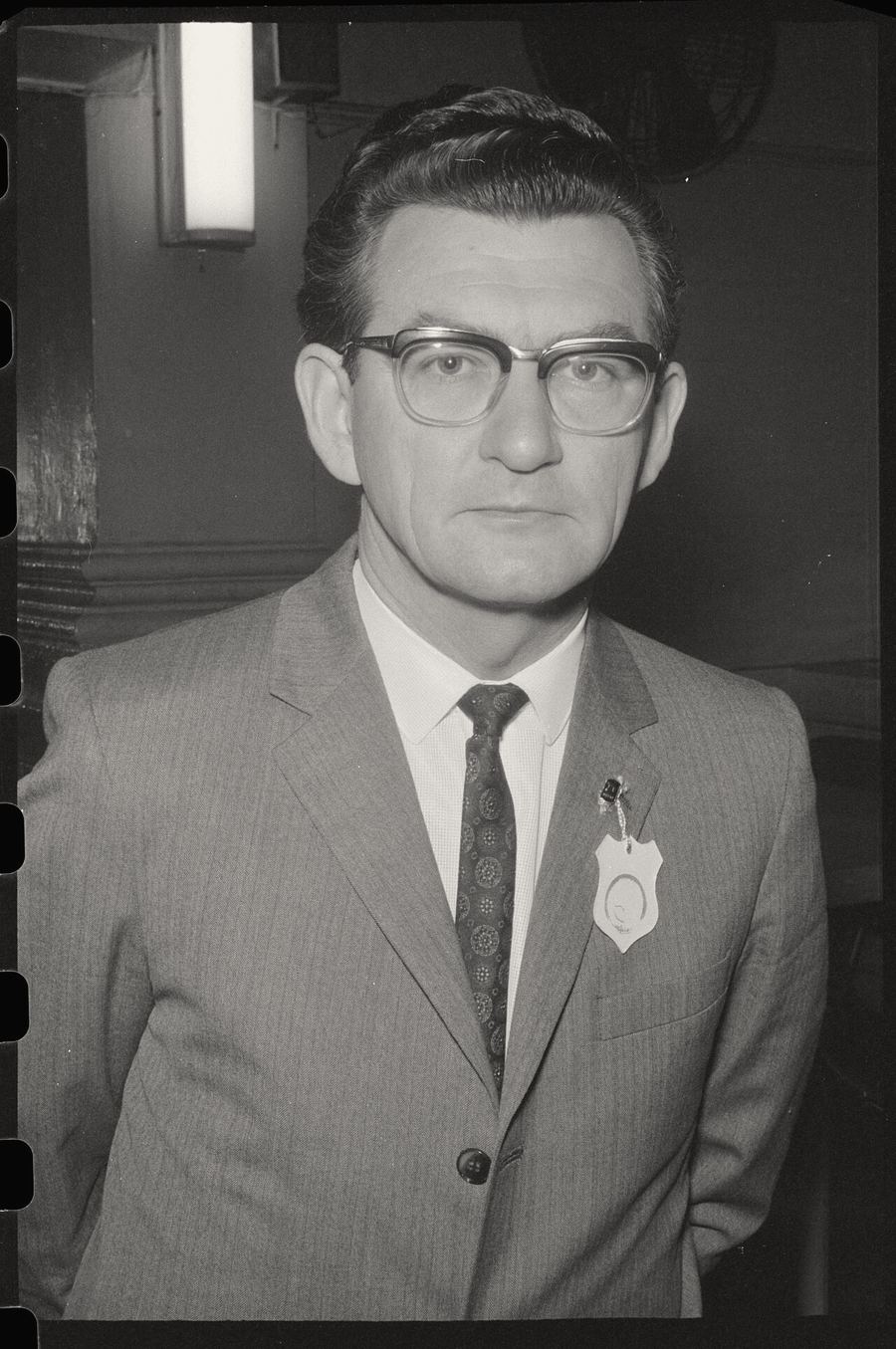
Bob Hawke, election speech.22 The phrase set the national goal as being clever rather than making things, and the country delivered on exactly that. Our 0.3 per cent of the world’s population now produces about 3 per cent of its research.23 We have among the lowest share of researchers working inside businesses in the OECD.24 The research is excellent. It just doesn’t live where things get made.
Wi‑Fi: the royalty is not the industry
John O'Sullivan’s team, using mathematics built to find black holes, filed the wireless LAN patent in 1992. A Macquarie University spin‑out, Radiata, built the first 802.11a chip and was bought by Cisco in 2000 for $567 million. After a decade in court, licences with 23 companies had returned more than $430 million by 2012.25
Billions of devices. A good royalty. And every one of those devices designed, fabricated and sold by somebody else. We learned to collect a cheque for the idea and let the industry form abroad.
Google Maps was built in a spare bedroom in Sydney
Four engineers laid off in the dot‑com bust, Lars and Jens Rasmussen, Noel Gordon and Stephen Ma, built an interactive mapping product in a bedroom in Hunters Hill. They pitched Silicon Valley. Google bought them in 2004, and the product became Google Maps. Asked why they never pitched at home, Ma said: “We didn’t even bother looking in Australia at the time. I think there were maybe two or three firms, but they did very little outreach.”26
The builders who built anyway
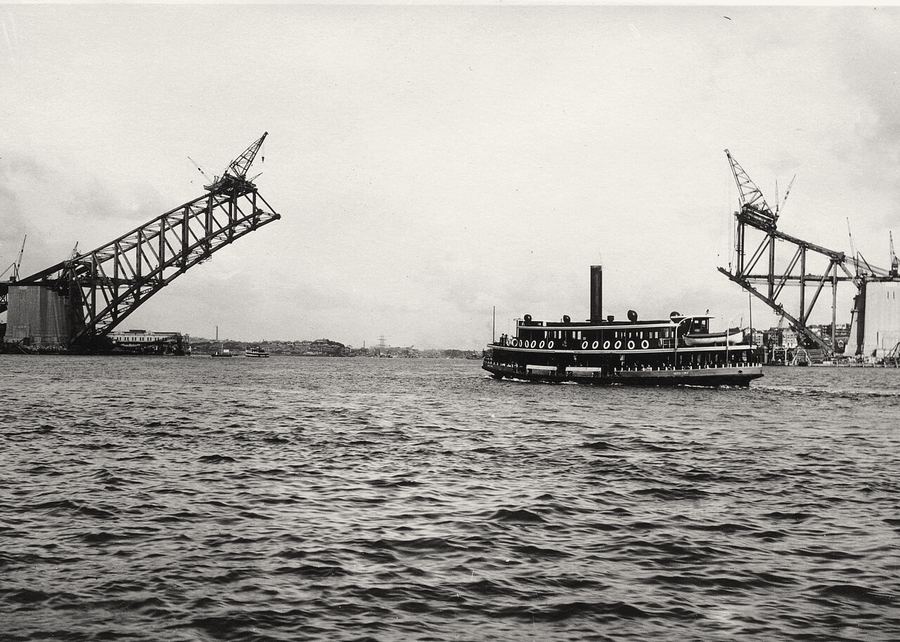
In 2001 Mike Cannon‑Brookes emailed his UNSW classmates asking who wanted to start a company instead of taking a graduate job. Scott Farquhar was the only one who replied. They bootstrapped Atlassian on $10,000 of credit‑card debt and listed on NASDAQ in 2015 at $4.37 billion.27 In Perth, Melanie Perkins pitched more than 100 investors and was refused by all of them. She learned to kitesurf because the Silicon Valley investors who could fund her kitesurfed. Canva launched in 2013 and is valued above $50 billion.28
Our two most important companies this century were built against the grain. One classmate replied. The capital came from California. These are not stories of a pipeline. They are stories of leaks.
The last steel, the last car
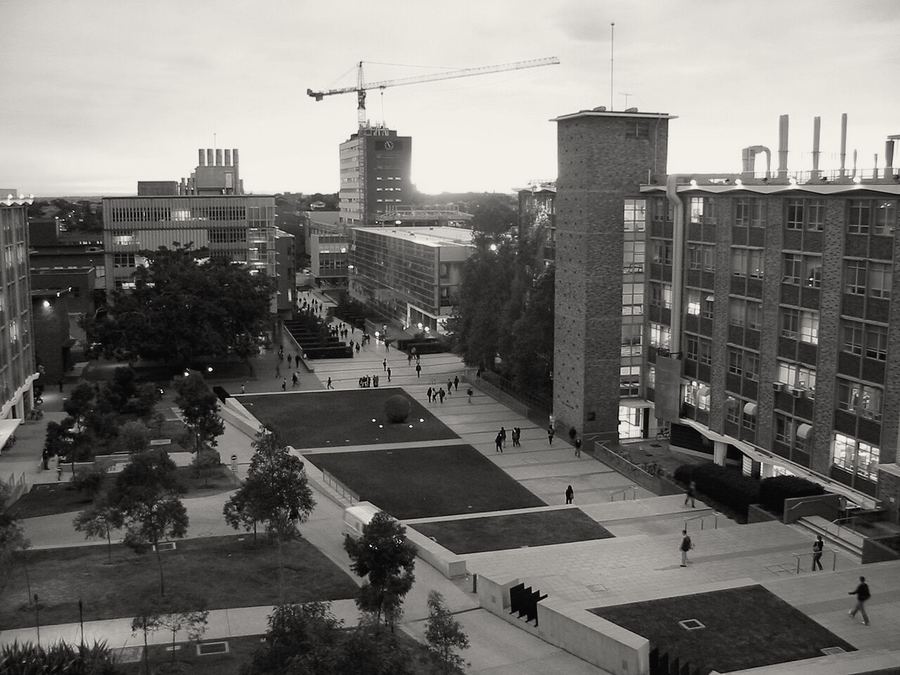
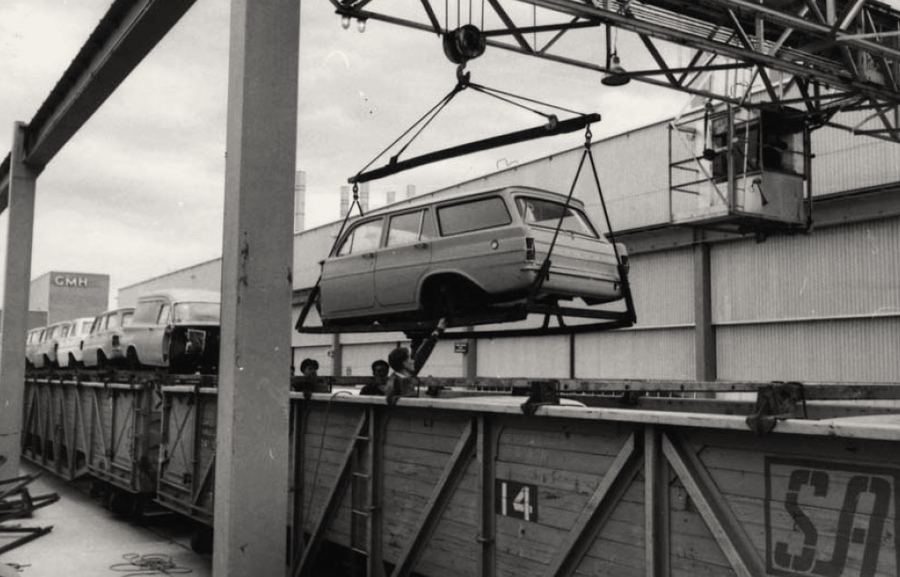
Newcastle made its last steel on 30 September 1999.10 The last Holden left the Elizabeth line on 20 October 2017, 69 years after the first.29 In the 1960s manufacturing was one dollar in four of national output.30 The mining boom paid for the decade and the universities sold the decade’s degrees. Neither needed the factory, so the factory went.
Renting the frontier back, 2017–
$940 million to bring our own people home
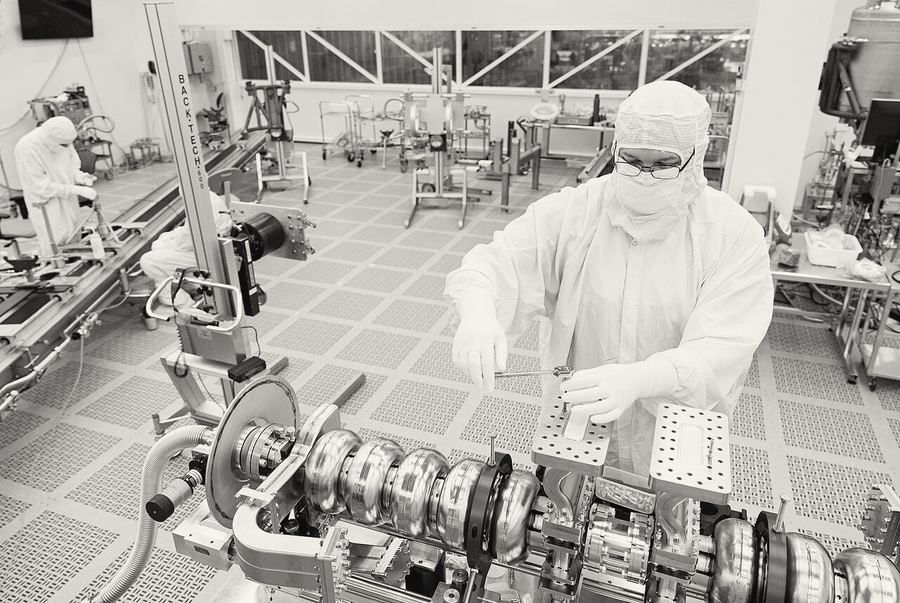
The federal and Queensland governments committed $940 million to PsiQuantum to build a quantum computer in Brisbane. PsiQuantum was founded in Palo Alto in 2015 by expatriate Australian professors who, in the words of one of its investors, “built upon research developed in Queensland and moved abroad”.31
This is the whole arc in one transaction. We fund the research. The builders leave, because the frontier is elsewhere. Then we pay a premium to rent the frontier back.
102ndin the world for economic complexity
Behind Uganda, Senegal and Bangladesh. One place ahead of Yemen.
That is where the Atlas of Economic Complexity put Australia in November 2024. In 1995 we were 55th.1 A 2026 recalibration of the index lifted us to about 74th of 145. We remain the second‑lowest country in the OECD, above only Chile, and 25 places behind New Zealand.1 We sell iron ore, coal, gas, education and tourism. Almost nothing we export is something only a few countries know how to make.
We teach the names of things
There is a layer in every technical field where the words stop and the thing begins. Everything above it is vocabulary: frameworks, standards, maturity models, the names of things. Australia has become very good at the top layer.
The top layer is cheap to teach, easy to assess, and scales to a lecture theatre of 400. So it became the product. A graduate can recite the Essential Eight and has never read a packet capture. Can cite the standard and has never machined the part. Can define a neural network and could not implement one in an afternoon. The transcript says cyber, engineering, data. The hands say otherwise.
This is why employers report a suitability gap: enough qualified applicants, not enough they can use. Jobs and Skills Australia’s own conclusion was that “simply increasing the throughput of graduates is not a solution here”.43 It is why Australian cyber hiring managers rank hands‑on work first and only a quarter bother to ask for a degree.44 And it is why the foundation matters: higher mathematics is the lowest layer of all, and the share of Year 12 students taking it fell to 8.4 per cent in 2023, the lowest on record.45 You cannot reason from first principles if you were never taught the first principles.
The people in Act I were bottom‑layer people. McKay could forge the harvester he designed. Pearcey knew every valve and mercury line in the Mk1. Warren built his recorder out of a wire recorder because he understood how wire recorders worked. None of them learned the industry’s vocabulary first, because the industry didn’t exist yet. They learned the layer beneath, and built the vocabulary afterwards.
Depth is not a nice‑to‑have. It is the only thing that lets a person build something that doesn’t exist yet, or say why the thing in front of them broke. A country of top‑layer graduates can operate what someone else built and audit what someone else did. It cannot make the next thing. That is the precise shape of Australia’s problem, and it is the precise thing we train.
“What I cannot create, I do not understand.”Richard Feynman, left on his blackboard at Caltech when he died in 1988.46
Five reasons the machine points away from the frontier
No villain decided any of this. Incentives did, each one locally sensible, that together produce a country which exports rocks, students and ideas, and imports the finished version of all three.
The status ladder points at advice
The highest entry scores in the country are for medicine, law and commerce. The signal to a 17‑year‑old is unmistakable: the best people take a percentage of something other people build. Engineering is the fallback. A trade is treated as a failure. Only 58 per cent of people who start a trade have finished it six years later.37
Not: In Taiwan, Korea and Germany the ladder runs the other way, and so does the economy.
The university sells seats, so it sells the cheapest seat
A lecture‑theatre degree scales. A workshop does not. When more than a quarter of revenue comes from a tuition customer, the rational product is the one with the lowest cost to deliver and the highest perceived prestige.
Not: 40 law schools for a profession that admitted 5,500 people in three years.
Research is scored by paper, not by plant
An academic is promoted for publications and grants. Nobody is promoted for the factory that opened because of their lab. So the lab produces the paper, the student carries the paper abroad, and the plant opens in Wuxi.
Not: PERC, Wi‑Fi, the black box and penicillin are the same story with different nouns.
Capital goes to houses and holes
Our housing is worth $11.9 trillion, four times the entire sharemarket.34 Super funds put an average of 4.4 per cent into private equity of any kind and are modelled to be $54 billion short on venture.38 Two miners and five banks are 36 per cent of the ASX 200.39 Venture investment has historically run at less than half the OECD average as a share of GDP.40
Not: The nation’s savings are pointed at things that already exist.
There is nowhere to learn the frontier
You cannot learn to build a launch vehicle in a country that has never built one. The bottom layer of a field is learned by proximity: by working beside someone who works in it, on the real thing, until you can say why it broke. For most of our history that person was somewhere else, so we taught the vocabulary instead.
Not: We import our engineers, 62 per cent born overseas, and export our founders.
The operator is the missing piece
Every fix on offer treats the symptom: another tax credit, another national strategy, another $940 million to rent a frontier. None of them produces the one input every new industry has ever required, which is a person who learned, by doing, how to make the thing. In 1949 that person was Pearcey. In 1967 it was the WRE team. In 1885 it was a farm boy in a shed. Producing that person, deliberately and in numbers, is what we are for.
The shed, rebuilt on purpose
NOUSIA is what the Snowy did for engineering, done deliberately, for the industries that will decide the next fifty years: space, autonomy and robotics, cyber, AI, advanced manufacturing, energy.
The frontier is here now. It did not used to be. Gilmour Space lit four engines at Bowen in July 2025, the first orbital attempt from Australian soil since 1967.16 DroneShield grew revenue 210 per cent in a year and went from 250 staff to more than 370.41 There are now rooms in this country where new industries are being made, and they are short of one thing: people who can operate inside them.
We take people who could have been the best analyst in the building and put them in that room. Not for a semester of theory about an industry that exists elsewhere. For as long as it takes to become someone the room would hire, and then to be hired.
Taiwan’s income per head was about $8,000 when it founded ITRI in 1973. It licensed chip technology from RCA, sent its engineers to America for a year to learn by doing, built a demonstration factory, and spun out UMC in 1980 and later TSMC. The whole industry began by learning on the job.42
Australia is many times richer than Taiwan was. We are not short of money or people. We are short of somewhere to learn the work.
Train on real missions, not modules
Every learner works on live briefs from frontier employers, reviewed by practitioners who shipped last year. Theory arrives when the mission demands it, in the order the mission demands it.
Not: A prerequisite course in dam theory. The Snowy didn’t run one.
Months, not years
An assessment finds the gaps and the pathway trains only those. Nobody repeats what they already know to fill a semester. Most of our operators are job‑ready before a traditional degree would finish its first year.
Not: One course for everyone.
Employers set the standard and fund the place
The companies building the industry define what role‑ready means and pay for the training. The pathway exists because a builder needs people, not because a faculty needs enrolments.
Not: Upfront fees, or student debt. You pay only once you’re hired.
A verified record of work, not a certificate
Every completed mission is assessed and added to a record of what you actually built and who reviewed it. This is the document a frontier employer wants to read, so it is the one we issue.
Not: An exam at the end.
Lifelong, because the frontier moves
Graduates keep receiving skill updates as the field changes. An operator trained for today’s counter‑drone systems stays an operator when the systems change.
Not: A relationship that ends at a ceremony.
Australian and clearance‑ready
Many frontier roles sit inside sovereign and defence work. Learners are Australian citizens, prepared for the clearance process from day one, so a partner can hire them into the roles that matter.
Not: Roles you can’t get into.
Australia stopped making builders. NOUSIA builds them. Deep technical knowledge. Fast. On real‑world work, for the industries that need it. And the new industries we will discover. That is why we exist.
Objections
Universities already do work‑integrated learning.
A placement bolted onto a degree is still a degree paid for per seat. The incentive to fill lecture theatres with commerce students is intact, and the figures show it: 8.5 per cent of graduates in engineering, management and commerce the largest field, 15,000 law graduates a year. We are not adding a placement. We are replacing the unit of learning with the mission.
Australia is too small to build frontier industries.
Taiwan had about 16 million people and income per head of about $8,000 when it decided to make semiconductors. The Netherlands makes the only machines on Earth that print the most advanced chips. Denmark, Israel, Finland, Singapore and Korea each built industries their size said they shouldn’t have. Australia had the fifth computer in the world and chose to stop. Size was never the constraint. The decision was.
The market will produce builders if it needs them.
The market has spoken. It imports 62 per cent of its engineers and pays $940 million to bring a Palo Alto company home. Markets allocate to what exists. A frontier that does not yet exist here cannot bid for talent against a Big Four graduate salary. Someone has to build the place to learn it first. That is what we are for.
Where does the money come from?
The Commonwealth spent $20.8 billion in one year on consultants, contractors and labour hire. Universities took $12.3 billion in international fees. Super funds are $54 billion under‑allocated to venture by their own industry’s modelling. The money exists. It is pointed at advice, seats and houses. We give it something worth pointing at: a person who can build.
Why should employers pay?
Because they already do, badly. A frontier company today pays a recruiter, waits months for a visa, and then spends a year retraining a graduate who learned the theory of an industry that exists elsewhere. Funding a place with NOUSIA buys a person trained on that company’s own missions, to that company’s own standard, in months.
- Atlas of Economic Complexity, Nov 2024 release (102nd), via StrategyAudit; AMGC, “Harvard’s recalibrated Economic Complexity Index”, 16 Feb 2026 (≈74th of 145; second‑lowest in OECD; NZ 49th); InnovationAus on the 55th (1995) to 91st (2020) decline.
- Law Society Journal, “Is Australia producing too many law graduates?”, citing LPAB NSW 2025 discussion paper and Urbis 2024 National Profile of Solicitors.
- Consultancy.com.au, GradConnection graduate‑preference ranking, April 2024.
- Minister for Finance, “APS Audit of Employment”, 6 May 2023.
- Howard Florey; “Am I not Australian?” to Col. E. V. Keogh; Menzies quotation.
- T. Pearcey, “Modern Trends in Machine Computation”, Australian Journal of Science supplement, 21 Feb 1948.
- CSIRAC; University of Melbourne, CSIRAC chronology.
- Summary of Maddison‑based estimates of Australian income per head, 1850–1890.
- Australian Dictionary of Biography, “McKay, Hugh Victor (1865–1926)”.
- Newcastle Steelworks, 1915–1999; 11,000 employees at 1981 peak.
- CSL, “CSL Limited celebrates 25 years on the ASX”, Oct 2019.
- Australian Dictionary of Biography, “Pearcey, Trevor (1919–1998)”.
- Monument Australia, “Men and Women of the Snowy Mountains Scheme”.
- The Conversation, “The black box: an Australian invention that nearly didn’t happen”.
- WRESAT, launched 29 Nov 1967.
- AP via MarketBeat, Gilmour Space Eris TestFlight 1, 30 July 2025; first orbital attempt from Australia in over 50 years.
- Senate Education and Employment Committee, “A brief history of education reform”.
- IHEA Fast Facts, Higher Education Commencements 2024 (Department of Education data).
- Engineers Australia, Engineering Profession Statistical Overview, 15th ed. (2023).
- Martin Green (professor); UNSW, “The research powering the global solar revolution”, Aug 2024.
- Shi Zhengrong; Suntech founded 2001 with Wuxi government 25% stake; NYSE 2005.
- Museum of Australian Democracy, Bob Hawke election speech, 8 March 1990.
- Chief Scientist Ian Chubb, “The future of science in Australia”, May 2013.
- Campus Morning Mail, “R&D and the curious case of Australia’s missing industries”, Oct 2017.
- National Museum of Australia, Defining Moments: Wi‑Fi.
- SmartCompany, “How Google Maps started as a tiny Australian startup”.
- Atlassian.
- Gulf News, “From 100 rejections to billions: how Melanie Perkins built Canva”.
- GoAuto, “Holden exit: production finally ends after 69 years”, 20 Oct 2017.
- Productivity Commission, “Trends in Australian Manufacturing” (2003).
- Startup Daily, “Federal and Queensland governments bet big on US‑based PsiQuantum in $940 million deal”, 2024.
- Parliamentary Library, “R&D and innovation in Australia: 2024 update” (GERD 1.68% of GDP, 2021–22).
- The Koala, Alan Olsen on international student revenue, 2010–2024 (42 universities).
- ABS residential dwelling values, September quarter 2025, via MPA.
- Export Finance Australia, “Education exports resilient amid demand headwinds”, Aug 2025 ($52bn, 2024).
- Cochlear Limited; 1981 government grant to Nucleus; ~50% market share (2022); Sydney manufacturing.
- NCVER, apprentice and trainee completion rates 2024 (58.2% six‑year trade completion, 2018 cohort).
- Capital Brief, “How big super’s $54b VC shortfall is costing Australians”, citing Australian Investment Council modelling.
- ProSolution, “Banks and miners: where to from here?”, April 2025.
- SmartCompany, Australian VC at 0.023% of GDP vs OECD 0.049% (2016 data).
- IT Brief, “DroneShield posts record results”, 1H25.
- Asterisk, “The institute behind Taiwan’s chip dominance”.
- Times Higher Education, “Graduate ‘suitability gap’ exacerbates professional shortages”, 4 Oct 2023, quoting Jobs and Skills Australia acting commissioner Peter Dawkins.
- ACS Information Age, “Employers aren’t fussy about your cyber certifications”, 2022, reporting ISACA State of Cybersecurity 2022 (Australian respondents).
- AMSI, Year 12 Mathematics Participation Report Card, July 2025 (8.4% higher mathematics, 2023).
- Richard Feynman; blackboard inscription at the time of his death, February 1988 (Caltech Archives).
Photographs via Wikimedia Commons, reproduced in monochrome. Sydney Harbour Bridge under construction, Tyrell Collection, public domain. H. V. McKay stripper-harvester, State Government Photographer, Public Record Office Victoria, CC0. BHP Steelworks Newcastle 1949, R. Bean, State Library of NSW, public domain. Trevor Pearcey at the CSIR Mk1, CSIRO Archives, CC BY 3.0. Murray 1 machine hall, Ear1grey, CC BY-SA 3.0. David Warren with the flight recorder prototype, public domain. Sparta/WRESAT launch, US Army, public domain. Students 1979, CC0. Silicon wafers and cells, IvanG-PV, CC BY-SA 4.0. Bob Hawke 1968, Tribune, CC BY-SA 4.0. Parkes telescope 1969, CSIRO, CC BY 3.0. Sydney ferry Kanimbla 1930, public domain. UNSW lower campus, Jinbo Bu, public domain. GMH Elizabeth 1964, South Australian Railways, CC BY 4.0. Semiconductor clean room, Aileen Devlin, Jefferson Lab, public domain. BHP Newcastle 1955, Sam Hood, State Library of NSW, public domain. Howard Florey, Julian Smith, public domain.
Figures are drawn from the cited public sources and reflect the latest year available at the time of writing. NOUSIA cannot promise a job; employers make the final call. Statements about the program describe how it works, not guaranteed outcomes.